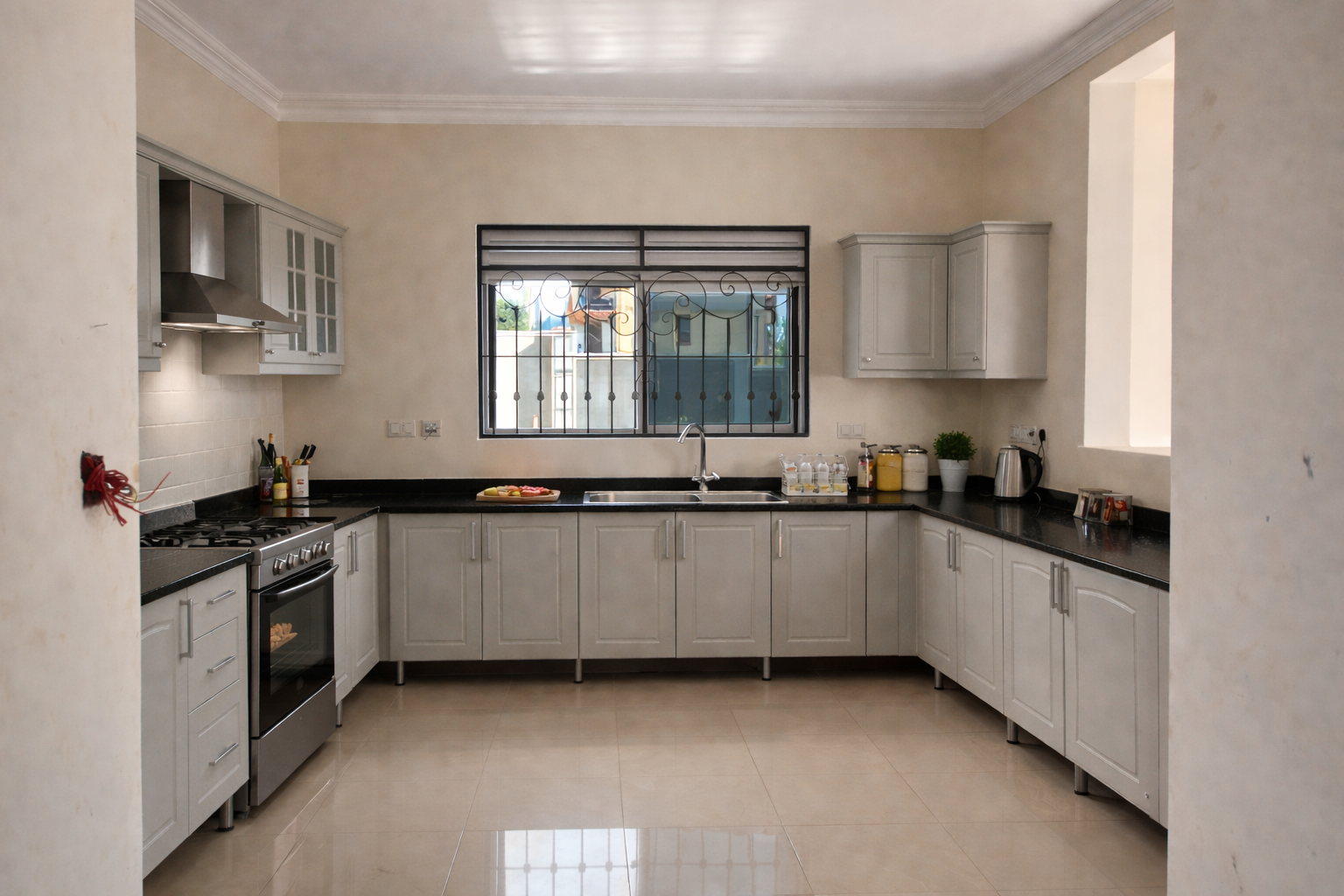
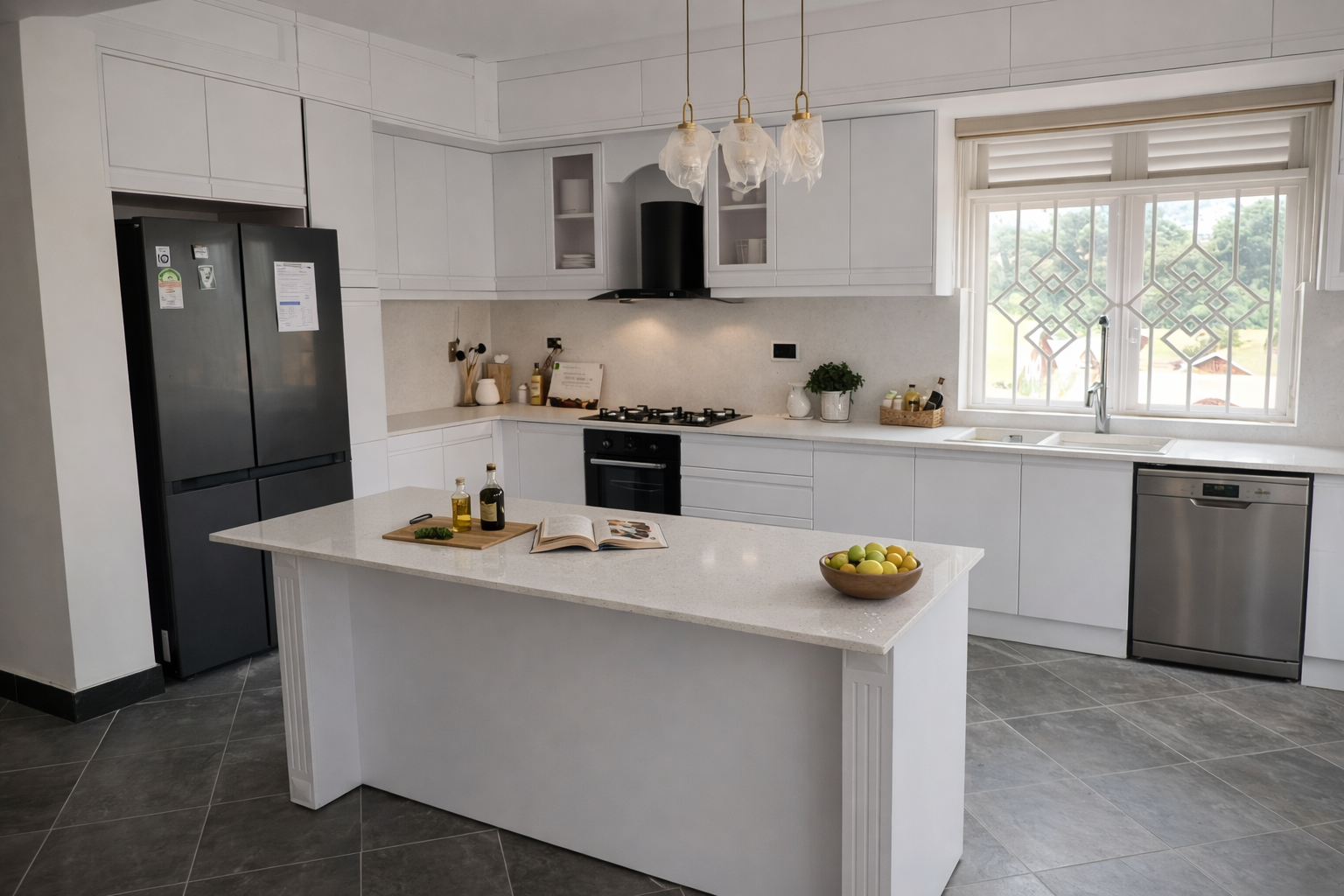
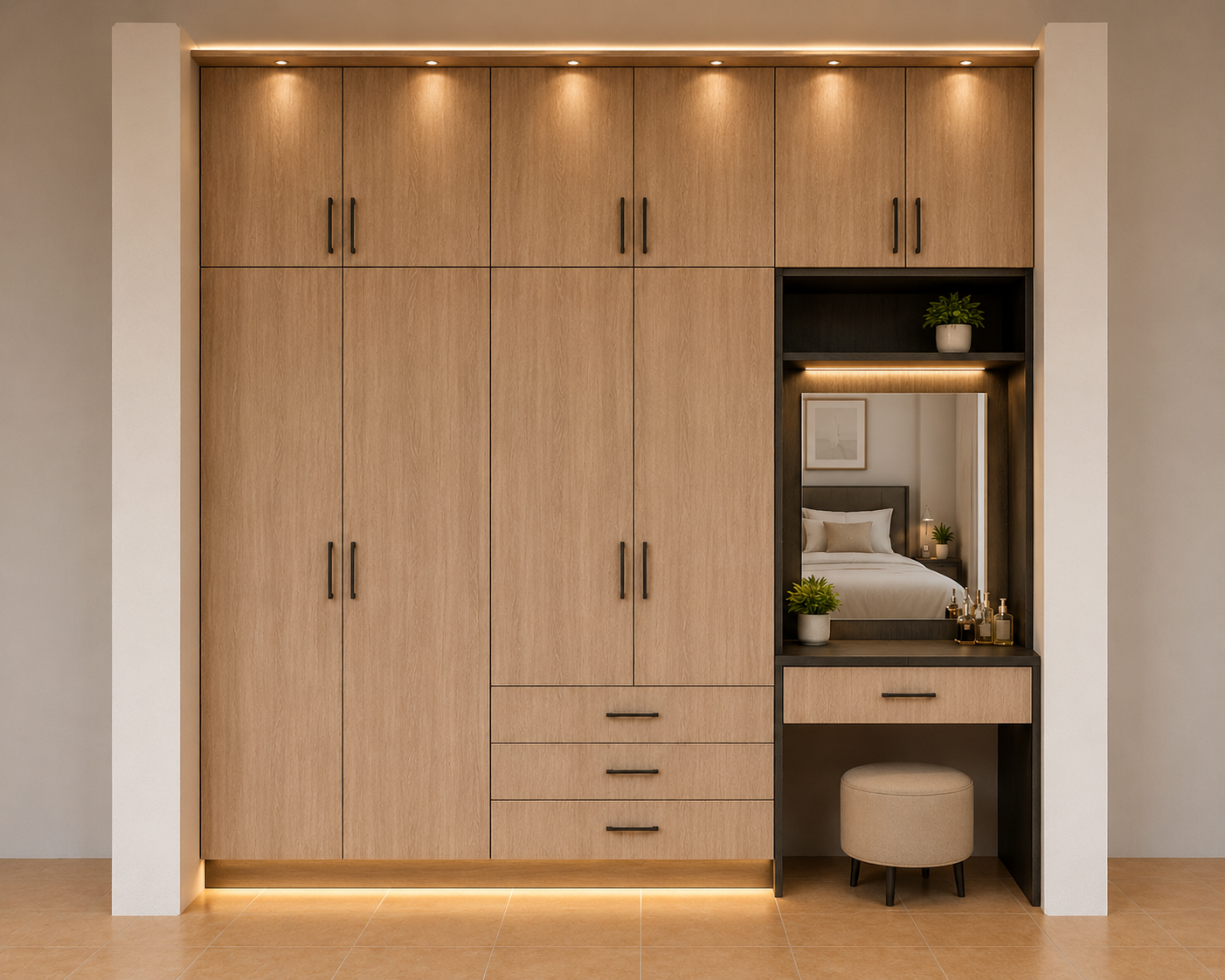
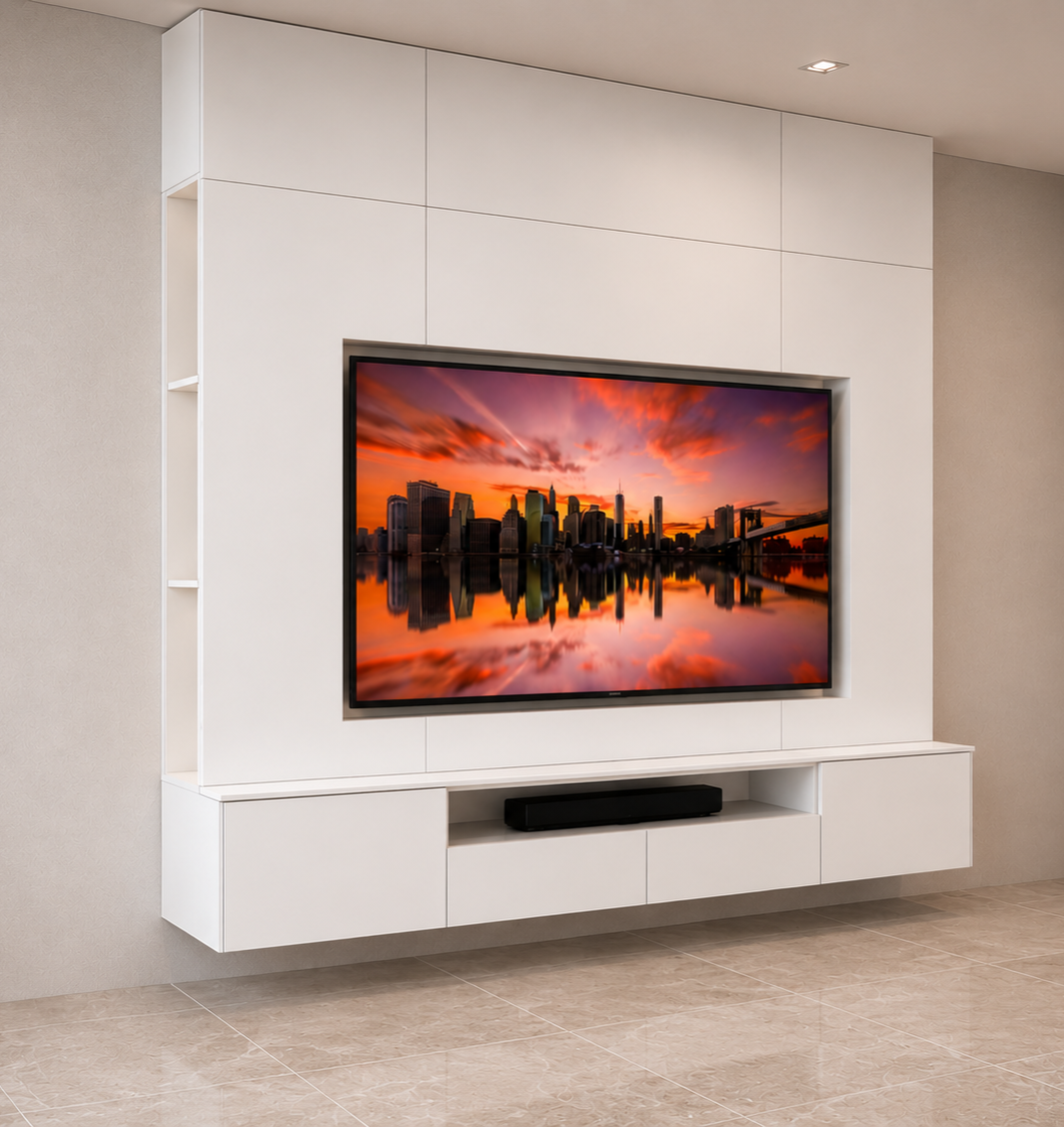
Two kitchens can look identical on the first day and perform very differently after a few years. The difference is usually the board inside the cabinets and how its edges are sealed.
MDF (medium-density fibreboard)
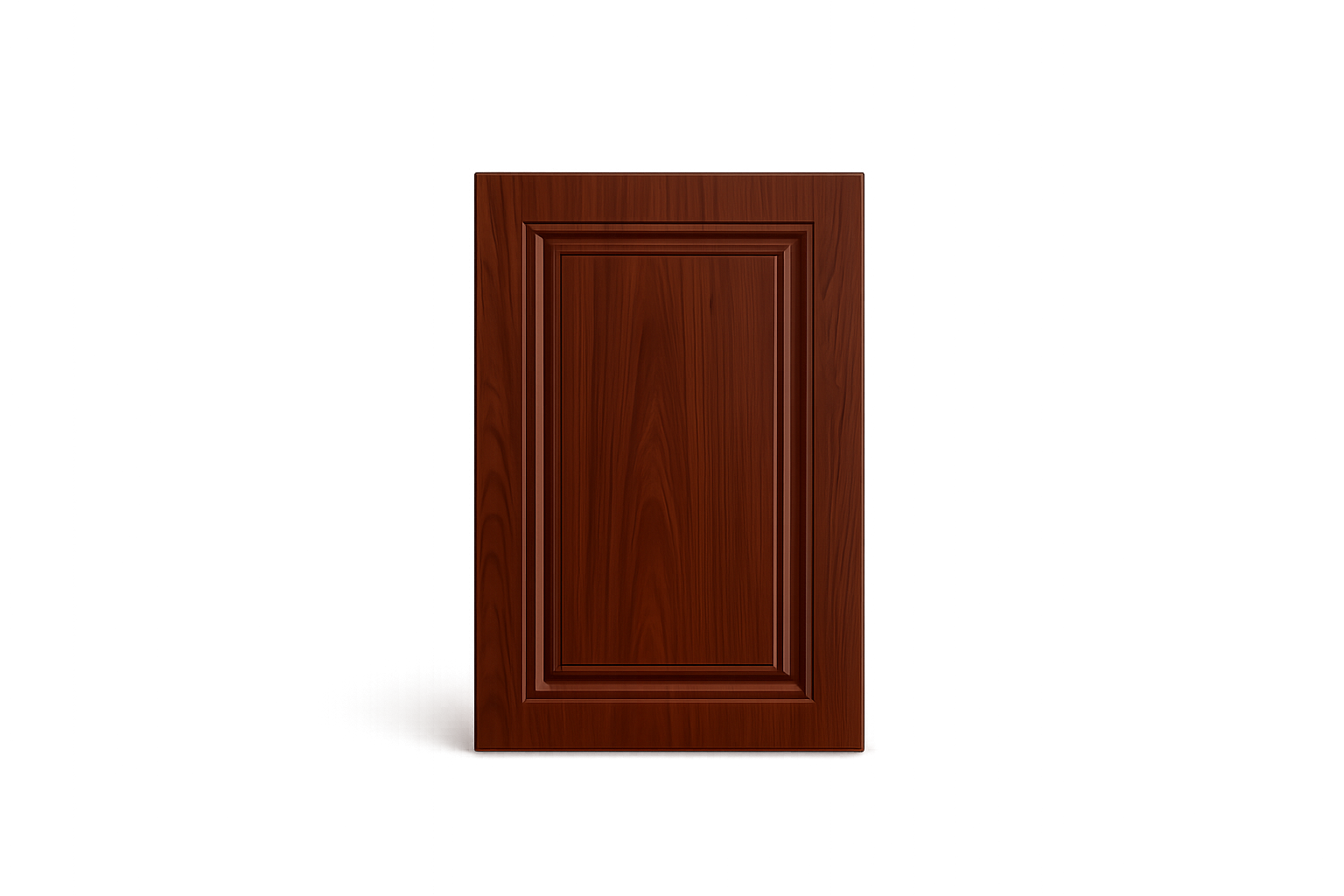
MDF is smooth and stable, which makes it ideal for painted doors, routed profiles and shaker designs. Moisture-resistant MDF is the better choice near sinks, dishwashers and in bathrooms.
Laminated board (MFC / melamine-faced board)
A particle-board core with a decorative laminate surface. It is economical, available in many woodgrains and colours, and performs well for carcasses and wardrobe interiors when the edges are properly banded.
Plywood
Made from layers of timber veneer, plywood is strong and holds screws well. Quality varies widely, so it is usually used for specific structural parts rather than every door.
Edging makes the difference
Most water damage starts at unsealed edges. Ask how edges are banded, whether the edging matches the door, and whether cut-outs for sinks and pipes are sealed.
Our recommendation
For most kitchens in Uganda we combine moisture-resistant boards in wet zones, durable laminated boards for carcasses and the door material that suits your chosen style. Visit our showroom to see cut samples and compare them in your hand.